


The multifamily market in 2026 feels uncomfortable for a lot of investors. Vacancy is up in certain markets. Concessions are back. Rent growth looks choppy instead of smooth.
And the big question everyone is asking is simple.
When does the supply wave end?
To answer that, you have to understand what actually happened over the last few years, why the pain is uneven, and where the real opportunity window is starting to open.
The Supply Wave Hangover
The current multifamily market outlook in 2026 is the result of decisions made years ago.
Developers responded to historically low interest rates, strong rent growth, and massive capital inflows by building aggressively. Projects that broke ground in 2022 and 2023 did not deliver until 2024 and 2025.
Now we are living with the hangover.
In many markets, new Class A units hit all at once. Leasing teams had to compete harder. Concessions showed up. Vacancy ticked higher, especially in urban cores and luxury segments.
This does not mean multifamily fundamentals are broken. It means supply temporarily outran demand in specific pockets.
That distinction matters.
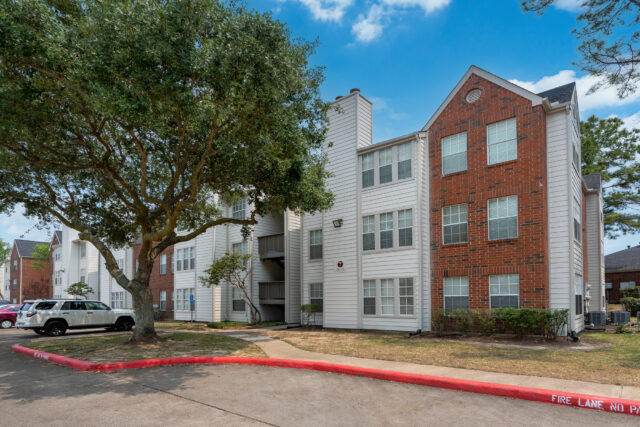
Vacancy Is Rising, But Not Everywhere
One of the biggest mistakes investors make is assuming the multifamily market moves as one.
It does not.
Vacancy pressure in 2026 is highly localized.
New construction heavy markets are feeling it most.
Luxury units are competing hardest on price and incentives.
Workforce housing is holding up better than headlines suggest.
If you zoom out, demand for rentals is still strong. Household formation has not stopped. Affordability challenges keep renters in place longer. Homeownership is still out of reach for many people.
Vacancy is not a sign of collapse. It is a sign of imbalance that is already correcting.
Why Rent Concessions Are A Feature, Not A Flaw
Rent concessions make investors nervous. They should not.
Concessions are a pressure release valve. They allow properties to stabilize without permanently cutting rents.
In most cycles, concessions show up before rents reset. Once supply is absorbed, concessions disappear quietly.
The key is underwriting correctly.
If you ignore concessions, you overestimate income.
If you assume concessions last forever, you miss the turn.
Smart investors in 2026 are underwriting concessions as temporary and market driven, not structural. They are buying assets where concessions are already priced into the deal.
That is how you create margin.
Do you want to master multifamily? Download my FREE Multifamily Due Diligence list here!
When Does The Supply Wave End?
This is the question driving search traffic, and the answer is not a date on a calendar.
The supply wave ends when three things happen.
New starts slow down, which they already have.
Absorption catches up as population growth continues.
Operators stop competing with free rent and start competing on quality.
In many markets, this process is already underway. Financing costs have slowed new development. Projects that were not viable have been shelved. The pipeline behind the current wave is thinner.
That creates a window.
Not for reckless buying, but for disciplined acquisitions.
The Real Buying Window In 2026
The opportunity in the multifamily market outlook for 2026 is not in chasing shiny new deals. It is in buying well located assets that are temporarily under pressure.
Here is where smart investors are focusing.
Assets with short term vacancy but strong long term demand.
Properties where concessions can burn off within 12 to 24 months.
Deals where sellers underwrote peak rents and now need realism.
Markets with job growth but near term supply noise.
This is not the moment for thin margin deals. It is the moment for patient underwriting and conservative assumptions.
The investors who win in this phase are not trying to time the bottom. They are buying durability.
Final Thought
The multifamily market outlook in 2026 is not about fear. It is about digestion.
Every supply cycle creates discomfort before opportunity. Vacancy and concessions feel bad in the moment, but they are often the early signs of the next buying window.
This is how real estate cycles work.
Those who understand the hangover prepare for the recovery. Those who wait for perfect conditions usually arrive late.
Multifamily is not broken.
It is resetting.
And resets are where long term wealth is built.
